CASE STUDIES
Creative leadership through systems, storytelling, and innovation.
LeadershipStorytelling
Systems
Strategy
Innovation
-
As content demands increased across retail launches, seasonal campaigns, and retailer-specific deliverables, traditional production methods alone were no longer enough to keep pace. Instead of relying solely on headcount growth, I focused on redesigning how creative decisions were made upstream.
I implemented AI-assisted workflows directly into daily CGI production using tools such as Google Gemini, Vizcom, and custom prompt engineering systems. These workflows accelerated concept development, improved briefing clarity, reduced iteration bottlenecks, and allowed artists to focus more deeply on high-value creative execution rather than repetitive production cycles.
The result was a measurable increase in production efficiency across the department. Revision cycles shortened, concept approval moved faster, and the team was able to absorb increasingly complex retailer requests and seasonal launches without expanding the team size.
More importantly, the integration of AI became operational rather than experimental. It enhanced the production pipeline without replacing the creative judgment, storytelling, and technical expertise that drive meaningful visual work.
This project reflects my approach to AI: practical, production-tested, and strategically integrated into real-world creative systems.
-
In retail environments, strong imagery is more than marketing collateral. It directly influences buyer confidence, product positioning, and large-scale purchasing decisions across major retailers.
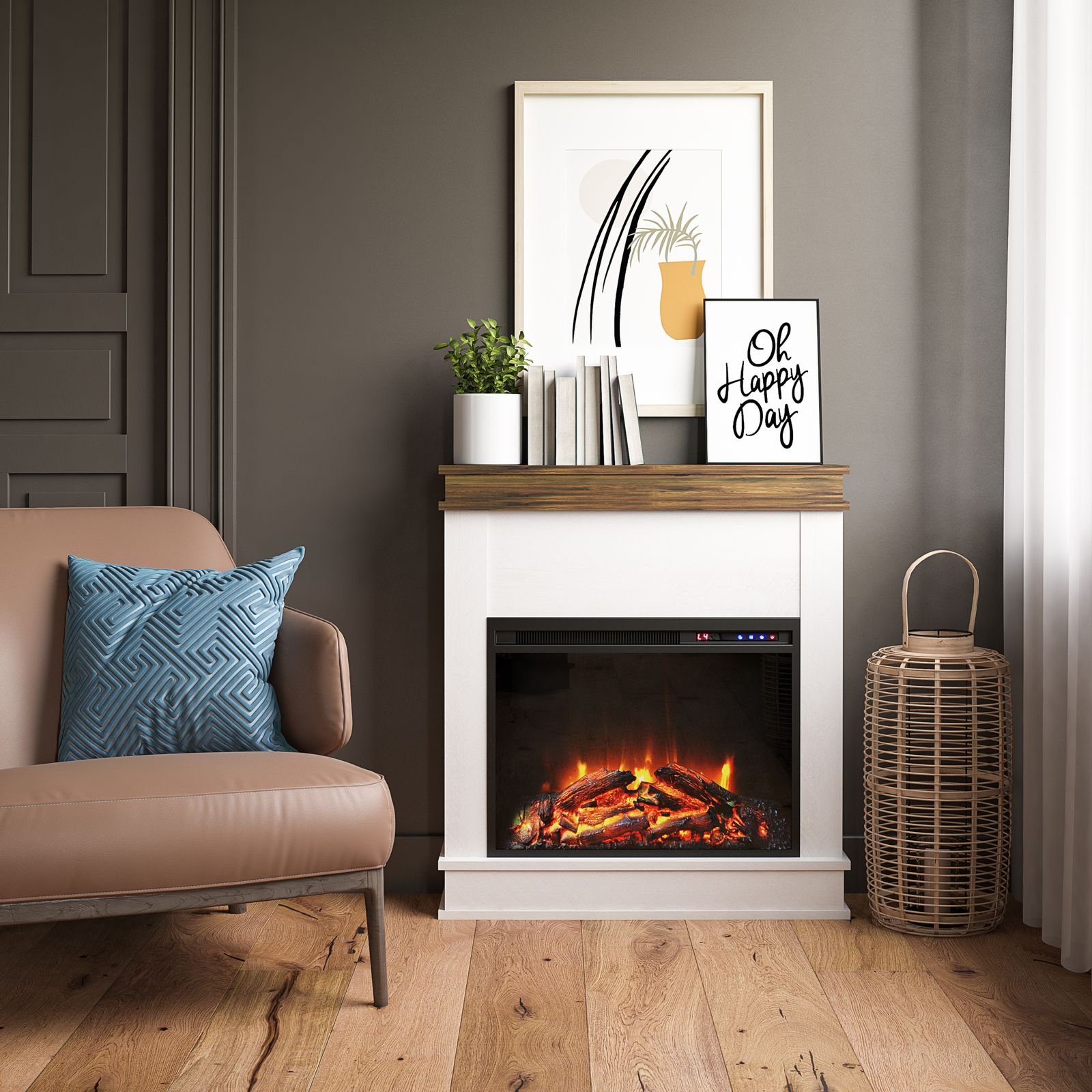
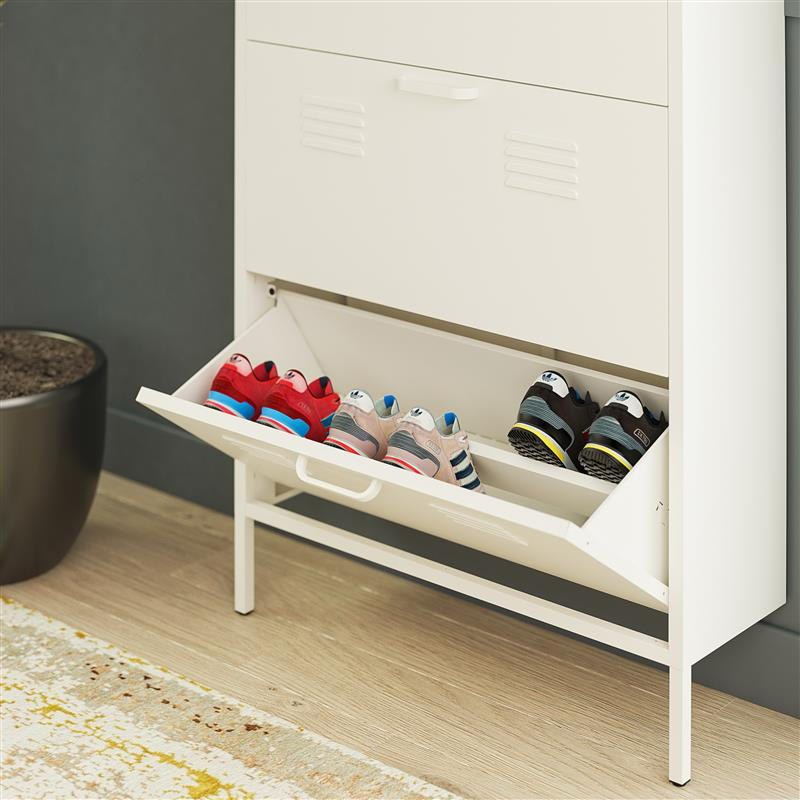
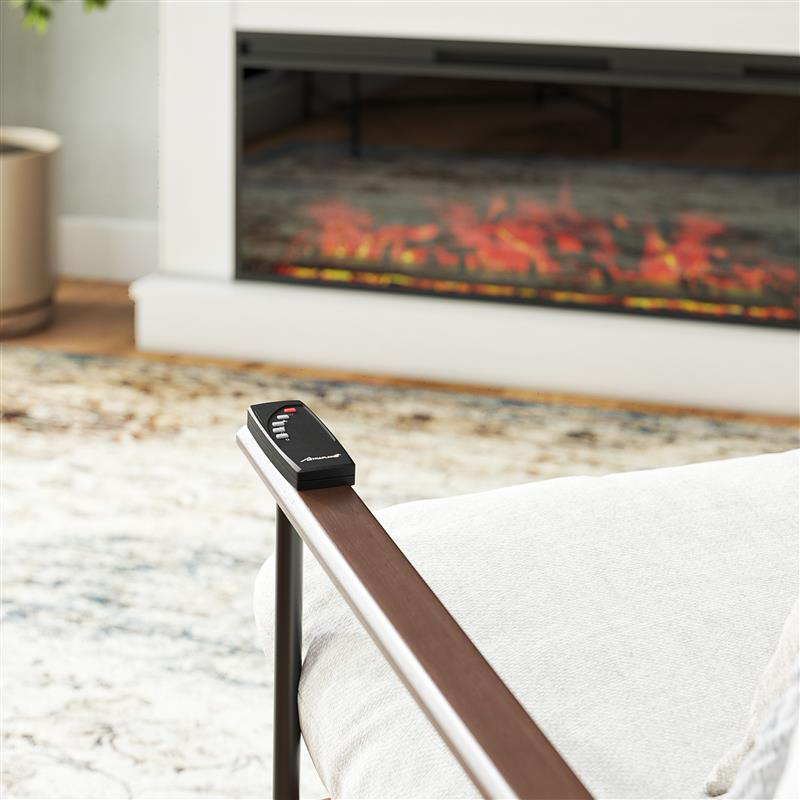
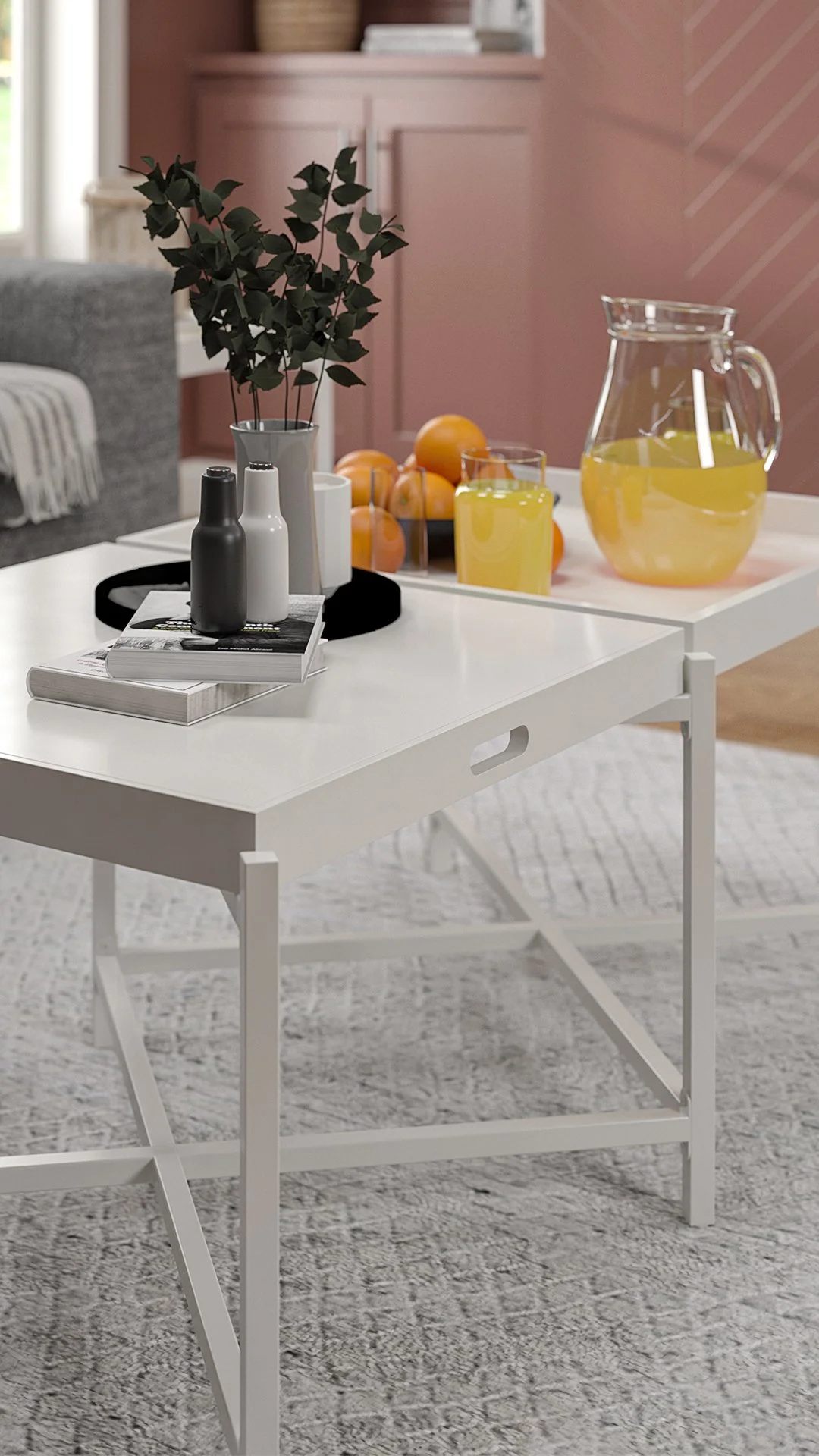
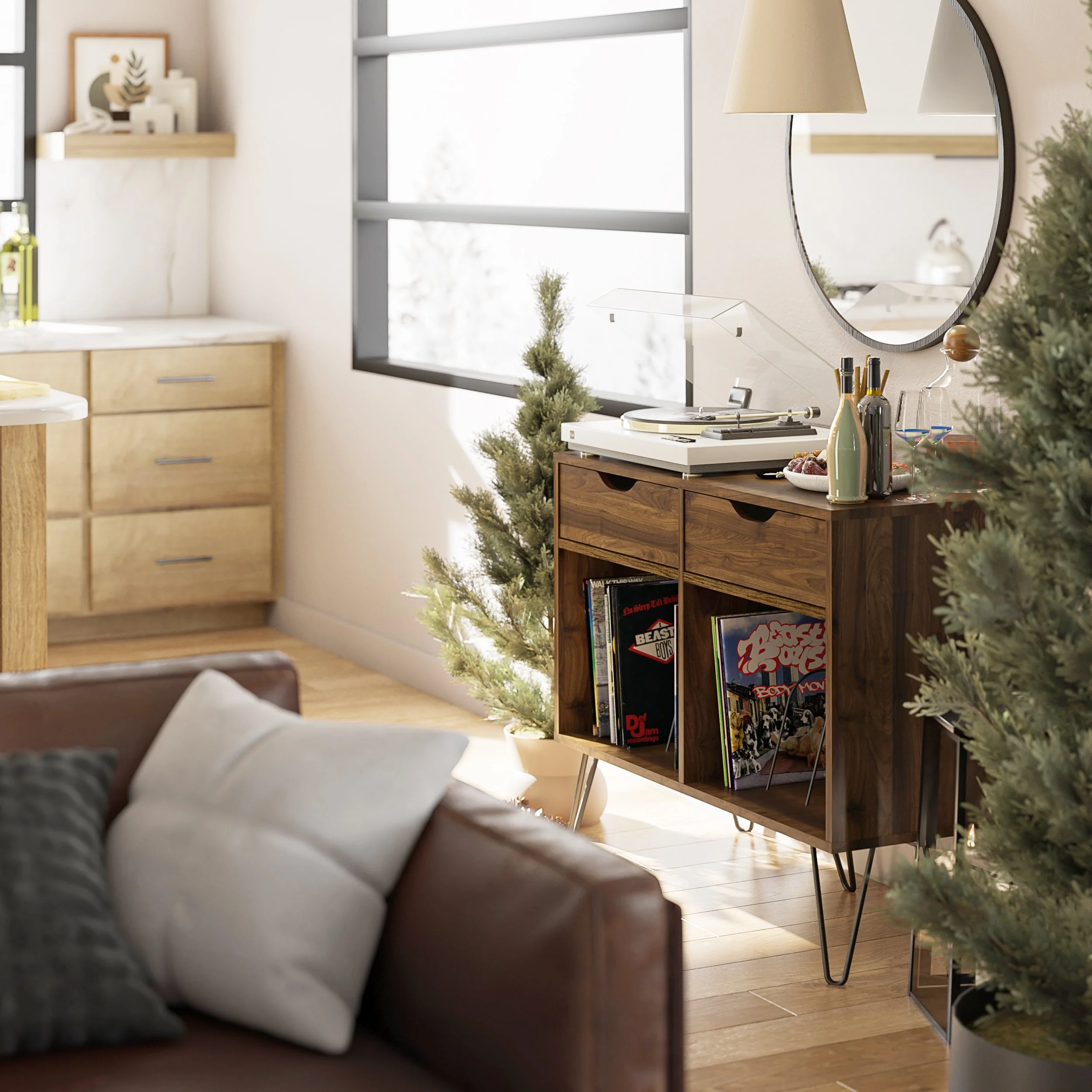
I led the visual strategy and creative direction for high-stakes sales presentations, RFQs, and retail launches by developing photorealistic lifestyle imagery, in-store visualizations, bay concepts, and product storytelling systems designed to help buyers immediately understand product value in context.
Projects included launch campaigns, retailer presentation assets, product visualization systems, and campaign video direction, including a “Bed in a Box” initiative that contributed to new retail partnership opportunities. I also led the creative execution for the Signature Sleep mattress launch on Wayfair, overseeing a full CGI model build and visual rollout under aggressive timelines.
Leadership feedback formally recognized this work as contributing to new customer acquisition and expanded business opportunities through stronger presentation storytelling and visualization strategy.
For me, creative direction is most valuable when it connects visual storytelling directly to measurable business outcomes.
-
When I joined the Ameriwood Home division at Dorel Home, there was no established CGI pipeline. Product photography was costly, time intensive, and unable to scale alongside a rapidly expanding catalog. The opportunity was clear: build a modern visualization system capable of supporting enterprise-level retail demands with greater speed, flexibility, and consistency.
I recruited and led a distributed team of 3D artists while designing the department’s production infrastructure from scratch. This included workflow architecture, project management systems, creative briefing standards, quality benchmarks, approval processes, and scalable production pipelines built specifically for high-volume retail content creation.
Over time, the department evolved into a CGI-first operation producing nearly 6,000 photorealistic assets annually across 690+ SKUs and 240+ video deliverables. The team consistently delivered product imagery, lifestyle scenes, multi-angle configurations, and launch-ready retailer content without missing major deadlines. By transitioning away from traditional photography workflows, production costs decreased significantly while creative agility increased across multiple retail channels.
This project reinforced one of my strongest capabilities: building scalable creative systems that balance operational efficiency with high visual standards.
-
Following the merger of two major divisions within Dorel Home, two independent CGI teams needed to be consolidated into a single department while maintaining production schedules, creative quality, and team stability.
I led the integration of workflows, pipelines, and creative standards across an eight person department operating across multiple brands and retail channels. Beyond restructuring operations, the focus was also cultural: aligning artists with different processes, tools, and communication styles into one collaborative team environment.
To support scalability and mentorship, I established shared quality standards, streamlined production systems, and created leadership pathways within the department, including elevating senior artists into mentorship and advisory roles. I also introduced AI-augmented creative workflows using tools like Google Gemini, Vizcom, and structured prompt engineering to accelerate concept development and reduce revision cycles.
The unified department continued producing more than 4,000 high-end assets annually while maintaining performance expectations across every direct report during a period of significant organizational transition.
This experience demonstrated my ability to lead through complexity without sacrificing output, morale, or creative quality.
-
High-performing creative departments are not sustained through constant urgency alone. Long-term success depends on building an environment where people continue growing, expanding ownership, and developing confidence in their craft.
As a department leader, I prioritized mentorship and long-term team development alongside production output. I held regular one-on-one growth conversations with direct reports, aligned projects with individual career interests, and intentionally created opportunities for emerging talent to lead increasingly complex initiatives.
This included helping junior artists grow into leadership responsibilities, creating specialized advisory roles for senior talent, and encouraging experimentation with emerging AI-assisted workflows and advanced CGI techniques. Rather than assigning work solely based on immediate production needs, I structured projects to help team members build the next level of their skillset.
During a period that included organizational restructuring and team consolidation, the department maintained strong retention, collaborative culture, and consistently positive performance outcomes across every direct report.
I believe the strongest creative leaders build systems and teams that continue thriving long after the immediate project is complete.